شبكة فلسطين للأنباء – شفا الشبكة الفلسطينية الاخبارية | وكالة شفا | شبكة فلسطين للأنباء شفا | شبكة إخبارية فلسطينية مستقلة تنقل الحدث من قلب فلسطين والعالم العربي على مدار الساعة.


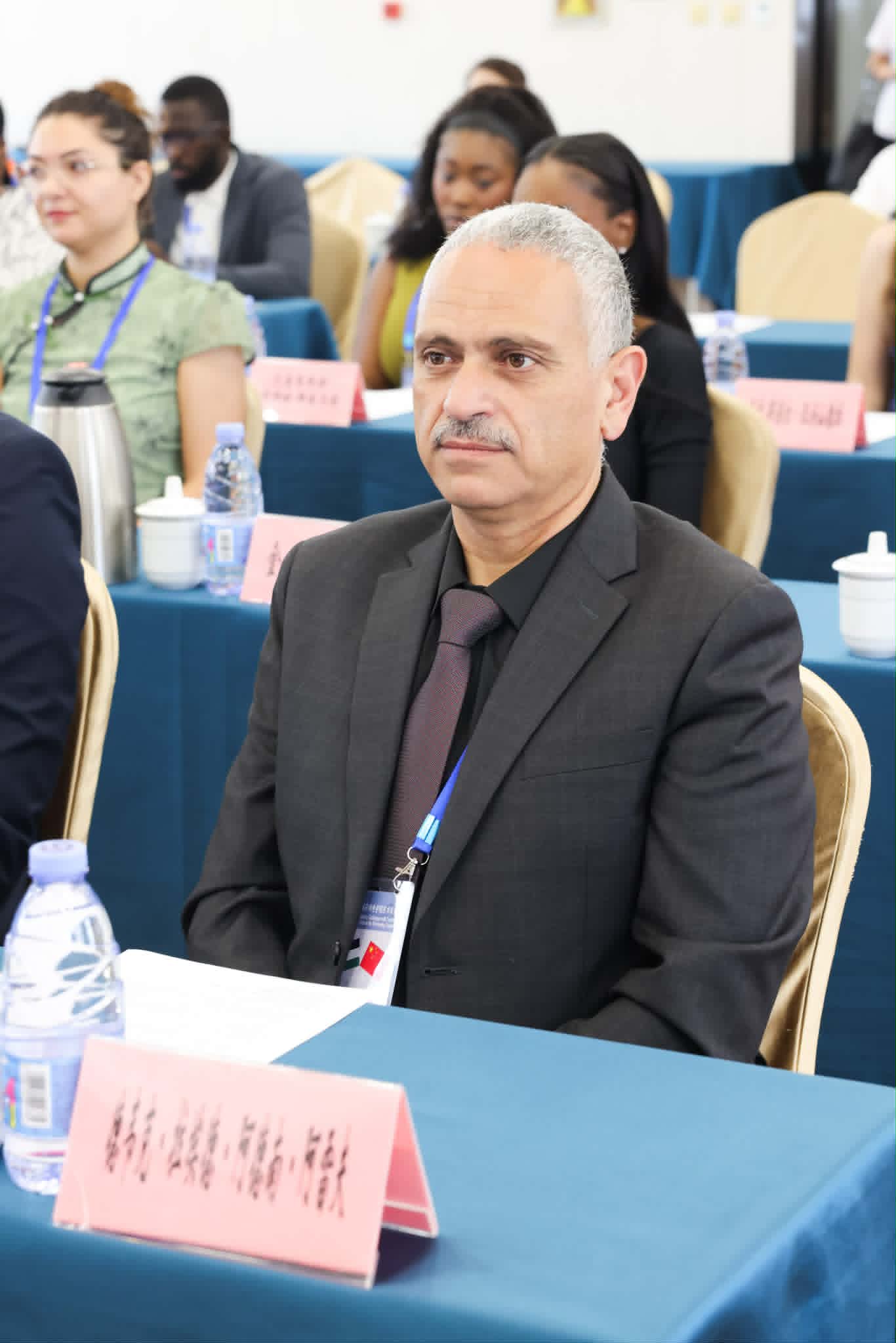
From Palestine to China: An Experience That Changed My Perspective on Nursing, Medicine, and Humanity
By: Raed Dweik
Chairman of Khod Wa A’ti Charity Association – Bethlehem
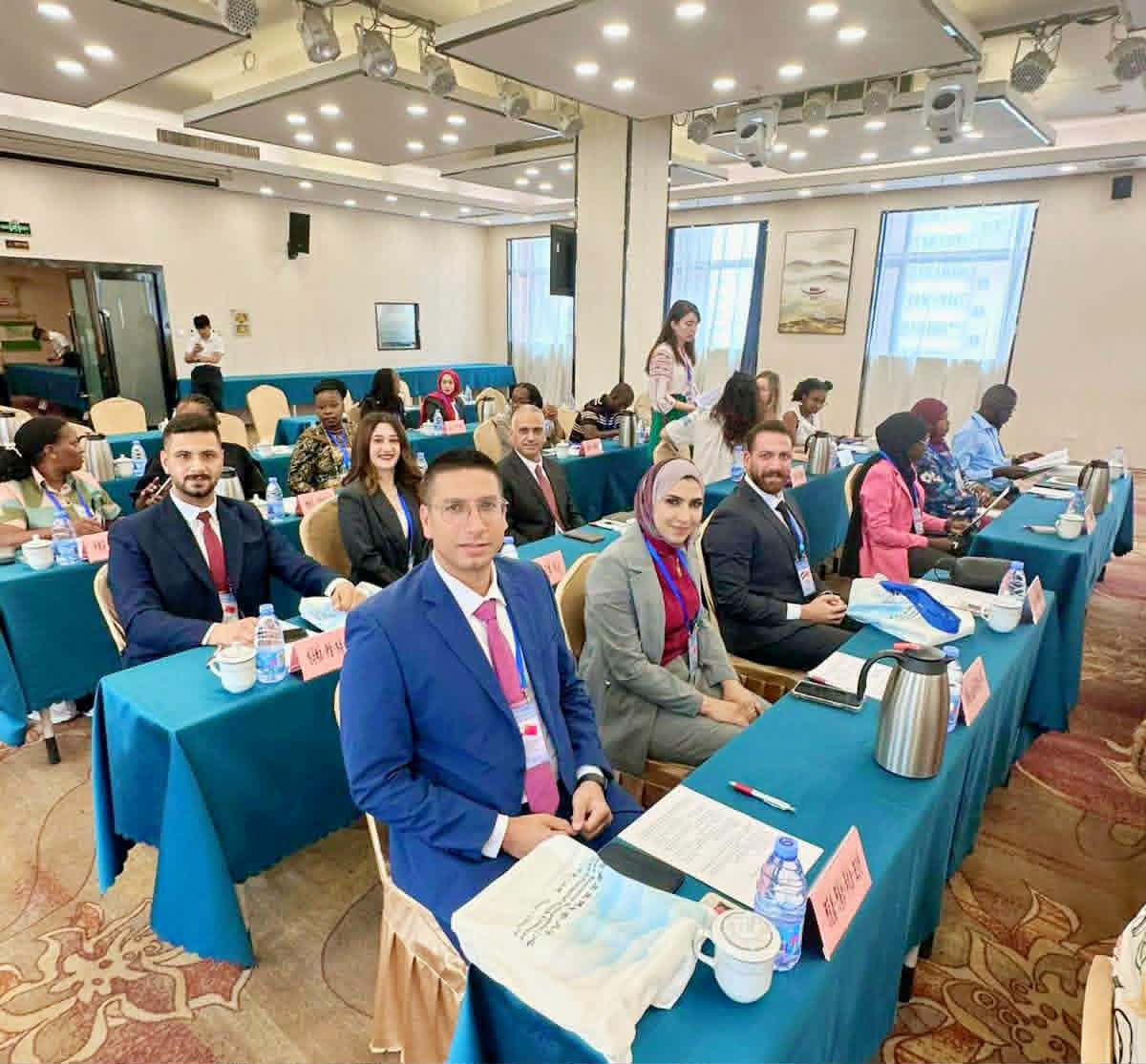
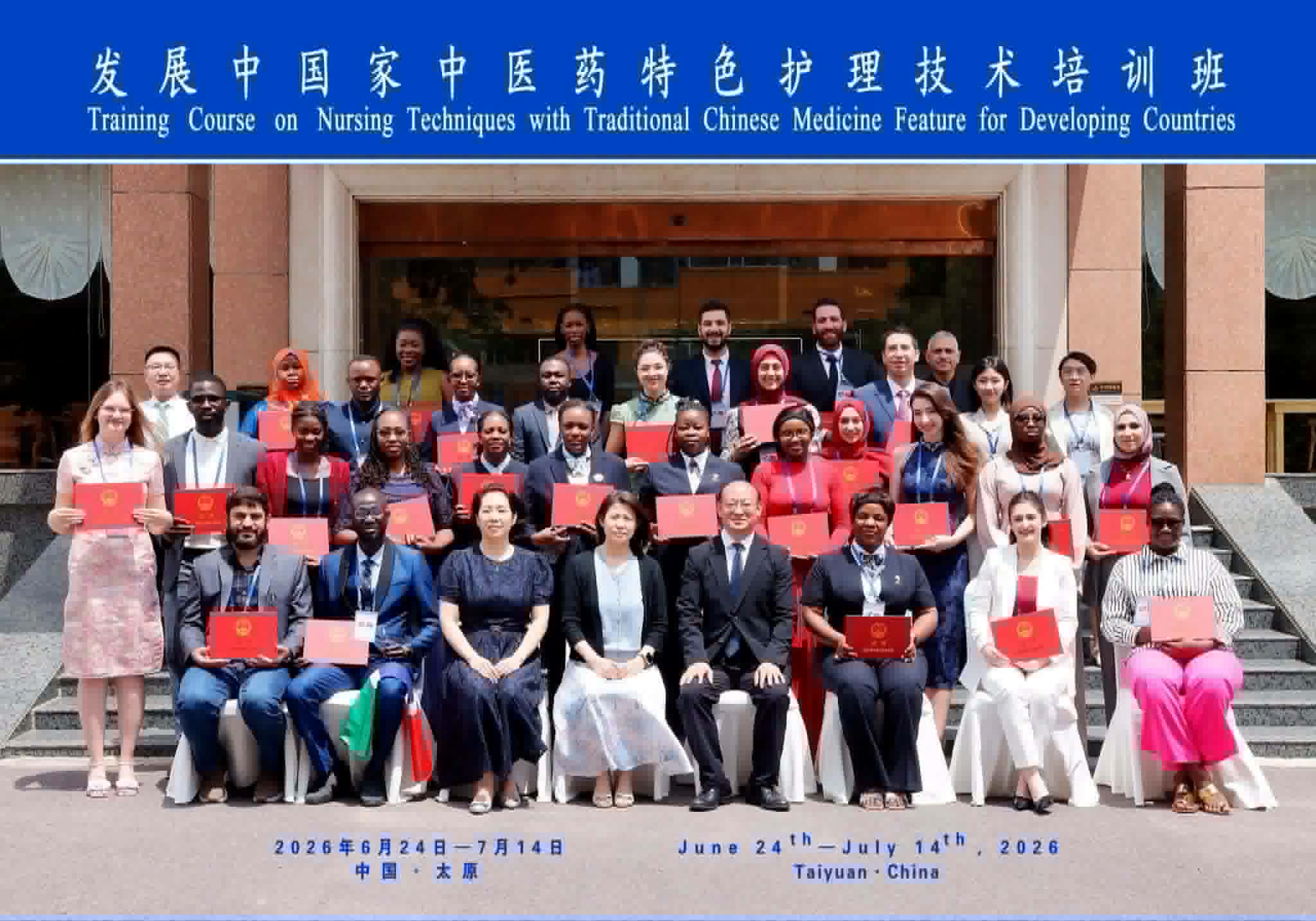
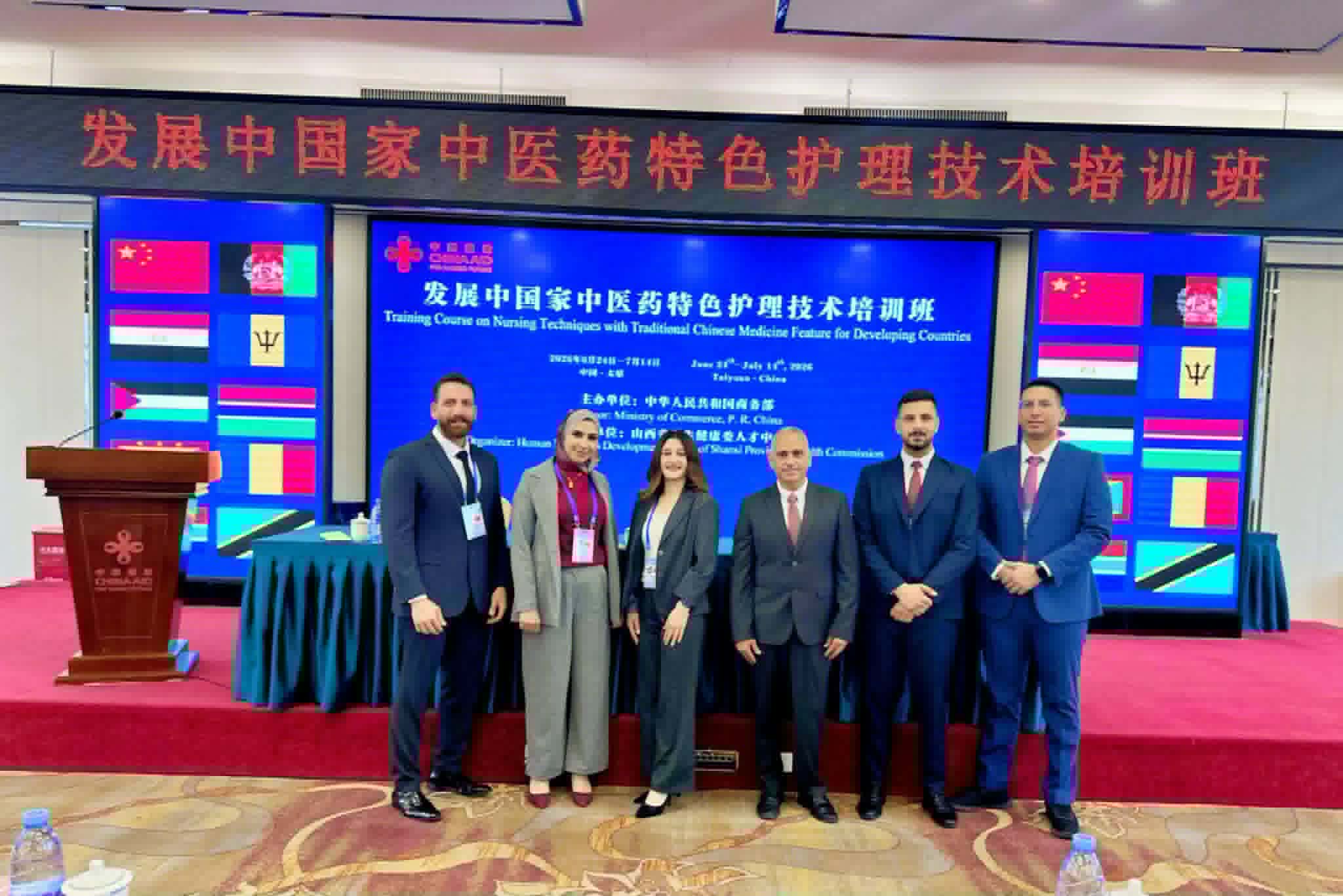
My participation in the Nursing, Traditional Chinese Medicine, and Community Health Training Program in the People’s Republic of China was far more than an ordinary training trip. It was a comprehensive experience that brought together scientific knowledge, cultural exchange, and the discovery of a society that has successfully combined its deeply rooted history with rapid scientific and technological development.
From the moment we arrived in China as part of the Palestinian delegation participating in the training program, I felt that I was entering a truly unique experience. Every detail reflected care and professionalism—from the precise organization, punctuality, and warm welcome to the great attention shown by the program’s organizers in providing participants with a comfortable educational and humanitarian environment.
Between Modern Nursing and the Wisdom of Chinese Medicine
The training program gave us the opportunity to explore various aspects of nursing practice, methods of dealing with medical emergencies, and the organization of work within hospitals. We also visited several medical departments, including rehabilitation and respiratory care units.
I was particularly impressed by the high level of discipline and coordination among the medical and nursing teams. Every individual worked within a clearly defined system in which the patient remained at the center of attention and responsibility.
I realized that the success of a healthcare institution does not depend solely on the doctor or the nurse. It depends on an integrated team in which every person understands their role and performs it with honesty, precision, and dedication.
Traditional Chinese medicine opened a new window through which I could view human health. During the lectures and practical sessions, we were introduced to several traditional concepts, including balance within the body, the theory of Yin and Yang, energy pathways, acupuncture, Chinese cupping therapy, therapeutic massage, and the use of certain dietary systems and herbs as part of treatment plans.
What was especially striking was that Chinese medicine does not view illness merely as an isolated symptom. Instead, it attempts to understand the person as a whole, taking into consideration their lifestyle, diet, psychological condition, and the balance of their bodily functions.
We may not agree with every detail or interpretation, but the experience confirmed for me the importance of remaining open to different medical schools and studying them with a scientific mind—without prejudiced rejection or unquestioning acceptance.
Learning Is Not Confined to Lecture Halls
Our experience was not limited to theoretical lectures. It also included practical applications and field visits to healthcare institutions, making the knowledge clearer, deeper, and more realistic.
Information heard inside a classroom becomes far more meaningful when we witness its application in a hospital or rehabilitation center.
I learned that nursing is not simply about administering medication or carrying out a doctor’s instructions. It is a humanitarian mission that requires compassion, patience, the ability to listen to patients, and an understanding of their psychological and social needs alongside their physical needs.
Because of my work in the charitable sector and my continuous involvement in following humanitarian and medical cases, this experience held particular importance for me.
It enabled me to connect what I learned in China with the cases we encounter every day within Palestinian society, especially patients, children, and families in need of treatment, care, and support.
I became more convinced that helping a patient does not begin only with raising the cost of a surgical operation, nor does it end when the patient leaves the hospital.
True support also includes health awareness, prevention, follow-up care, rehabilitation, and psychological and social assistance.
China as I Saw It
Alongside the scientific aspect of the program, the journey provided an opportunity to learn about Chinese civilization and the Chinese people at close range.
We visited several cultural, historical, and tourist sites, including museums, gardens, and historic landmarks. We also visited the capital, Beijing, and the Great Wall of China.
Everywhere we went, it was clear how much importance China places on education, infrastructure, public order, and the preservation of cultural heritage.
The Chinese people have succeeded in building a modern and advanced country without abandoning their identity, culture, or history.
The ethics, discipline, and respect for work demonstrated by the Chinese people also left a positive impression on me.
The progress we witnessed was not the result of coincidence. It was the outcome of a culture based on teamwork, patience, continuity, and investment in human beings.
Palestine Was Always Present
Despite the great distance, Palestine remained present in our hearts, conversations, and identity.
We were determined to introduce others to our homeland, our people, our culture, and our humanitarian message. We also worked to ensure that the Palestinian delegation represented Palestine in an honorable and dignified manner.
I felt proud every time I introduced myself as being from Palestine. I also noticed the respect, sympathy, and affection expressed by many Chinese people toward our people and our cause.
During this journey, I realized that representing Palestine at international events is not merely a matter of protocol. It is a national and moral responsibility.
Every word we say and every action we take can help shape the image others have of our homeland and our people.
What Changed After This Experience?
I returned from China carrying far more than a training certificate or a collection of photographs and memories.
I returned with new ideas, a broader vision for healthcare and charitable work, and a stronger belief in the importance of exchanging knowledge and experience between nations.
I learned that knowledge has no boundaries and that, regardless of how much experience a person may have, there is always more to learn.
I also learned that progress begins with respect for time, teamwork, clear planning, and the ability to transform ideas into practical and achievable programs.
I aspire to transfer what I gained from this experience into my community and charitable work by strengthening health awareness, supporting prevention and rehabilitation programs, and benefiting from practices that can be applied scientifically and safely in ways that serve patients and families in need.
At the conclusion of this experience, I extend my sincere gratitude and appreciation to the People’s Republic of China, the institutions, training staff, and organizers who surrounded us with care and attention, the Embassy of the People’s Republic of China in Palestine, the Bethlehem Governorate, and everyone who contributed to coordinating, following up on, and ensuring the success of this participation.
China was an important milestone in my journey, but it was not the end of the road.
Rather, it marked the beginning of a new stage of learning and service, because true knowledge does not remain confined to lecture halls or the pages of reports. It is transformed into a meaningful impact that serves humanity and gives people hope.
From Palestine to China, the message remained the same:
Knowledge builds the human being, and compassion gives knowledge its true meaning.