شبكة فلسطين للأنباء – شفا الشبكة الفلسطينية الاخبارية | وكالة شفا | شبكة فلسطين للأنباء شفا | شبكة إخبارية فلسطينية مستقلة تنقل الحدث من قلب فلسطين والعالم العربي على مدار الساعة.



Economic Governance for Belt and Road Countries: Lessons Learned from China , By : Suha Gedeon
State of Palestine
Economic governance has become one of the most important factors influencing countries’ ability to achieve sustainable development and enhance their economic competitiveness. Development is no longer measured solely by growth rates or investment volumes, but also by the ability of governments and institutions to plan effectively, the efficiency of public administration, and the effectiveness of economic policies in improving citizens’ well-being and creating opportunities for inclusive development.
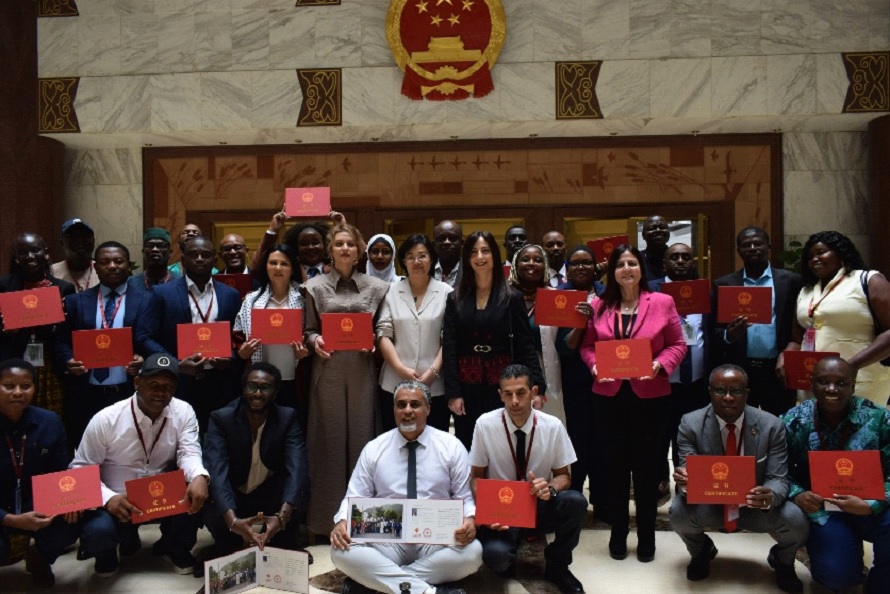
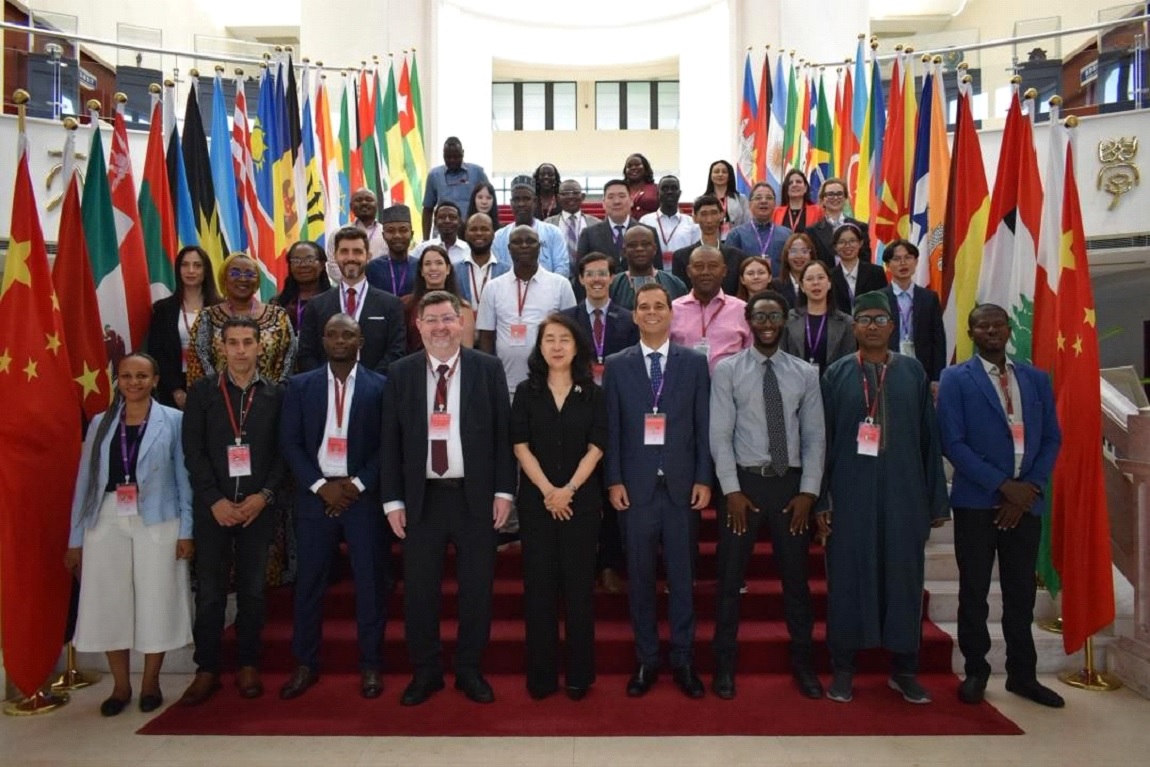
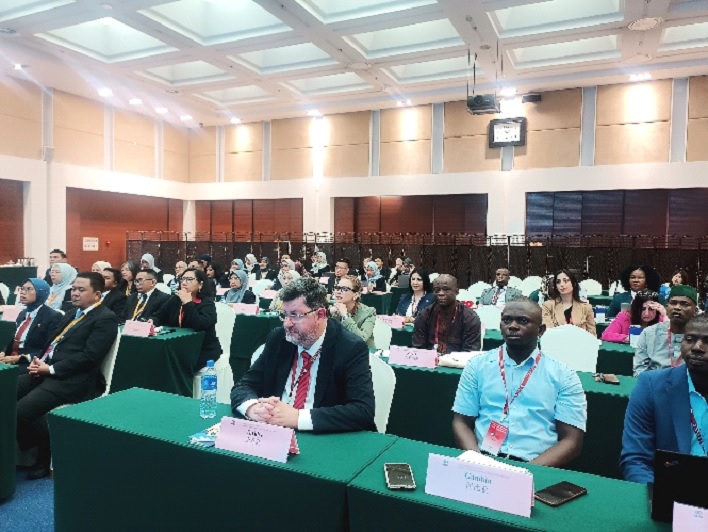
The Seminar on Economic Governance for Belt and Road Countries, sponsored and funded by the Ministry of Commerce of the People’s Republic of China and organized and hosted by the Academy of International Business Officials (AIBO), provided a valuable opportunity to gain deeper insights into China’s experience in economic governance and sustainable development.
China’s experience demonstrates that development is not the result of short-term decisions or isolated initiatives, but rather a comprehensive process built upon a clear strategic vision, long-term planning, and effective institutions capable of translating national objectives into practical programs and projects. China has successfully established an integrated development model that combines rapid economic growth, infrastructure development, innovation, poverty reduction, and improvements in living standards, making it one of the most notable development experiences in the world.
One of the key lessons that can be drawn from China’s experience is the importance of linking economic planning with the effective management of resources. China has demonstrated a remarkable ability to direct investments toward priority sectors while maintaining a balance between economic and social development, as well as between urban growth and rural revitalization. This approach has contributed significantly to achieving comprehensive and sustainable development outcomes.
Another notable aspect of China’s development experience is that the success of its governance model has not relied solely on efficient policies and institutions, but also on a set of ethical values that have supported and sustained the development process. Responsibility, discipline, and commitment to the public interest emerged as essential elements in institutional performance and policy implementation. Mutual respect also represents a fundamental principle of the Chinese approach, both domestically and in its international relations. This has been reflected in China’s cooperation with participating countries and its commitment to building partnerships and promoting knowledge exchange based on mutual respect and shared benefits. The Chinese experience demonstrates that effective economic governance requires not only sound policies and resources, but also an ethical and institutional framework that fosters trust, transparency, accountability, and responsibility.
The business environment has likewise played a central role in China’s development journey. Through simplifying administrative procedures, expanding digital government services, enhancing transparency, and creating an environment conducive to investment and innovation, China has strengthened investor confidence, supported business growth, and stimulated economic activity across multiple sectors.
Continuous investment in innovation and technology has also been a defining feature of China’s development model. Digitalization, artificial intelligence, and advanced technologies have become key drivers of industrial modernization, service improvement, and productivity enhancement. This underscores the fact that investment in knowledge and scientific research has become one of the most important engines of modern economic development, and that sustainable growth is increasingly dependent on technological advancement and innovation.
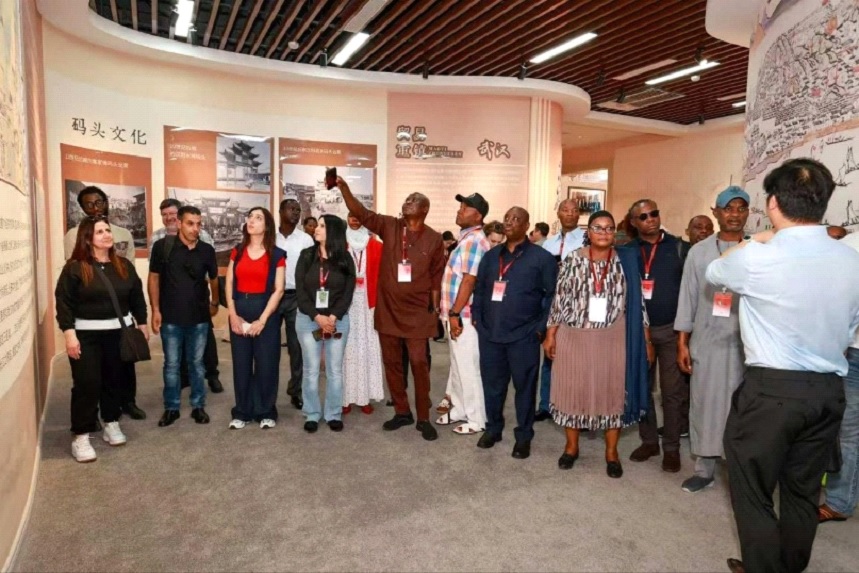
The field visits included in the program provided valuable opportunities to observe the practical application of these policies. Visits to a wide range of economic, industrial, technological, commercial, and development institutions demonstrated how effective planning and efficient governance can directly influence economic performance, service quality, and local development. From pharmaceutical and manufacturing companies to international trade institutions, high-tech industry associations, and rural development initiatives, it became evident that China’s development model is built upon strong cooperation among government institutions, the private sector, technology, and local communities.
In the field of international trade, China has presented an important model of economic openness and partnership-building. Through the Belt and Road Initiative, China seeks to strengthen economic and investment cooperation with participating countries based on mutual benefit and the promotion of trade and development partnerships. The initiative has become an important platform for knowledge exchange, capacity building, and international cooperation, contributing to shared development and stronger global economic connectivity.
This participation also reflected the true value of international training programs in strengthening capacities and fostering mutual understanding among nations. Bringing together participants from diverse countries and backgrounds created opportunities for dialogue, experience sharing, and discussions on common development challenges. Such interactions contributed to deeper mutual understanding and highlighted the importance of international cooperation as a tool for supporting development and advancing shared interests.
From the perspective of developing countries, the value of China’s experience does not lie in replicating it in its entirety, as each country faces its own unique circumstances and challenges. Rather, its significance lies in the principles upon which it is built, including long-term planning, institutional capacity building, investment in human capital, improvement of the business environment, promotion of innovation, and the integration of economic and social development. Equally important are the institutional values underpinning this experience, particularly responsibility, commitment, transparency, respect for the public interest, and a culture of mutual respect and cooperation. These principles can serve as a valuable reference for countries striving to achieve more inclusive and sustainable development while building institutions that are more effective and responsive to societal needs.
Economic governance is not merely a theoretical concept; it is an essential prerequisite for building resilient and competitive economies. China’s experience offers a valuable example of how vision can be transformed into policies, policies into projects, and projects into tangible development outcomes. For this reason, it remains a development model worthy of study and reflection, particularly for countries seeking to strengthen their institutions and accelerate their development efforts.
In conclusion, this experience reaffirmed that the exchange of knowledge and expertise among nations is one of the most effective tools for promoting development and strengthening capacities in a rapidly changing world. It also highlighted the importance of investing in people, knowledge, and international cooperation as fundamental pillars of sustainable development and mutual understanding among nations.
On this occasion, I would like to express my sincere appreciation to the Ministry of Commerce of the People’s Republic of China for sponsoring and funding this distinguished program, and to the Academy of International Business Officials (AIBO) for its leading role in organizing international training programs and providing a professional learning environment that effectively combines academic knowledge with practical experience. I would also like to extend my gratitude to the Embassy of the People’s Republic of China in the State of Palestine for its continuous efforts in promoting cooperation and knowledge exchange between our two countries.

I am equally grateful to the Bethlehem Governorate, represented by His Excellency Mr. Mohammed Abu Alia, Governor of Bethlehem Governorate, for its unwavering support for international capacity-building initiatives and its continued efforts to promote learning, knowledge exchange, and international cooperation.
I would further like to thank all lecturers, experts, organizers, assistants and participants whose valuable contributions enriched the discussions and helped create an environment founded on mutual respect, dialogue, and shared learning.
Suha Gedeon – State of Palestine