شبكة فلسطين للأنباء – شفا الشبكة الفلسطينية الاخبارية | وكالة شفا | شبكة فلسطين للأنباء شفا | شبكة إخبارية فلسطينية مستقلة تنقل الحدث من قلب فلسطين والعالم العربي على مدار الساعة.


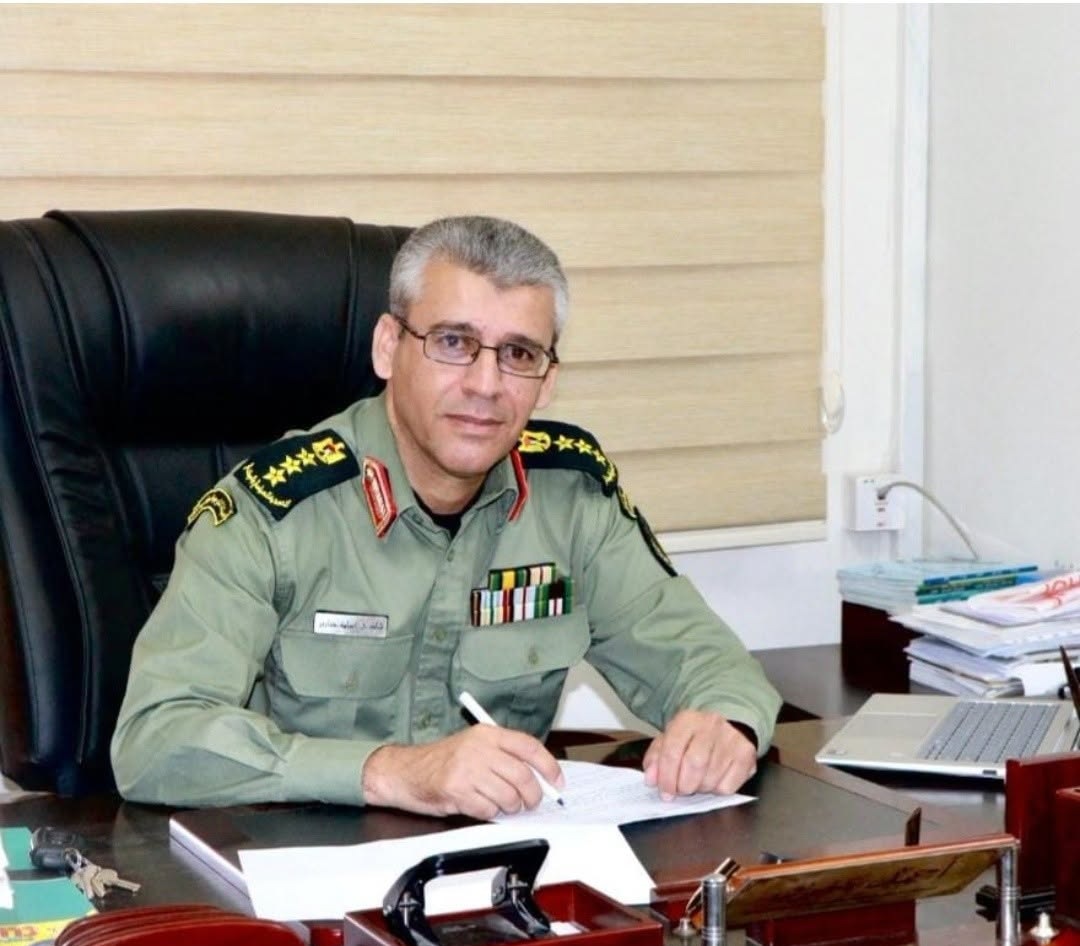
الصين.. حين يصبح الإنسان امتداداً لذاكرة وطنه ، بقلم : عميد دكتور/ شادي جبارين
ثمّة بلدان لا تستطيع أن تفهمها من خلال ما تراه فيها؛ بل تحتاج إلى أن تتأمل ما تركه فيك بعد أن تغادرها. فالمكان، مهما اتسعت جغرافيته وازدحمت شوارعه بالمعالم، لا يكشف نفسه كاملاً في صورة، ولا تختصره الأبنية، ولا تكفي آثاره القديمة لتفسير حاضرة. تضمّ شيء، يتعلق بالإنسان، وبالعلاقة التي يقيمها مع وطنه، وبالطريقة التي تتحول بها الهوية من فكرة كبيرة إلى سلوك يومي صغير.
بعد أنني عشر يوماً في الصين، بين بكين ويونان، وجدتني أفكّر في هذا المعنى أكثر مما أفكّر في المسافات التي قطعتها. لم تكن المسألة أنني رأيت بلداً واسعاً، أو حضارة عريقة، أو مظاهر حديثة تضعه في قلب العالم المعاصر. كانت المسألة أنني حاولت أن أفهُم كيف تجتمع هذه العناصر كلها في مكان واحد؛ كيف يعيش الماضي في الحاضر من دون أن يبدو أسيراً له، وكيف يتجه بلد بكل ثقله نحو المستقبل من دون أن يدري، جزءاً من الحكاية التي يرويها وطنه عن نفسه.
وكانت جامعة رينمين في بكين واحدة من المحطات التي منحت هذه الأسئلة بعداً آخر. فقد استضافتنا القاعة، وأتاحت لنا حضور محاضرات ثرية ورائعة، لم تكن قيمتها فيما قدمته من معرفة فحسب، بل في أنها فتحت أمامنا نافذة لمحاولة فهم الصين من داخل أفكارها وتجربتها، لا من خلال مظاهرها الخارجية وحدها. ففي الجامعة، لا تعود الصين مجرد هشّاد حضاري أو تجربة اقتصادية لافتة، بل تصبح موضوعاً للنقاش حول الدولة والمجتمع والتنمية والهوية، وحول الكيفية التي تصوغ بها أمة تصورها لمستقبلها.
هناك أدركت أن فهم الصين يقتضي الاقتراب من الفكر السياسي الذي يستند إليه نظامها، ومن الدور الذي يؤديه الحزب الشيوعي الصيني في توجيه مسار الدولة. فالصين المعاصرة لا يمكن قراءة تحولاتها بمعزل عن الحزب الذي يقودها منذ تأسيس جمهورية الصين الشعبية، ولا عن الأفكار والسياسات التي رسمت، عبر مراحل تاريخية مختلفة، ملامح مشروعها التنموي. كما أن فكر الرئيس شي جين بينغ، وما يطرحه من مفاهيم تتصل بالتنمية والنهضة الوطنية والخصوصية الصينية، يشكل جزءاً من الخطاب السياسي والفكري الرسمي الذي تسعى القيادة الصينية من خلاله إلى تفسير مسار البلاد وتحديد وجهتها.
لكن ما استوقفني في هذا السياق لم يكن مجرد التعرف إلى أفكار سياسية أو عناوين نظرية، بل السؤال الذي تقود إليه؛ كيف تحول الفكرة إلى مشروع دولة؟ وكيف تنتقل الرؤية من الكتب والخطابات والمؤسسات إلى سياسات تمس حياة مئات الملايين من البشر؟ وما الذي يجعل تجربة بلد ما قادرة على الاستمرار في إعادة تشكيل نفسها عبر عقود من التحولات؟
لا يمكن اختزال تطور الصين في عامل واحد، ولا في مؤسسة أو نظرية بعينها؛ فالتجربة أوسع من ذلك، وتتداخل فيها خيارات سياسية واقتصادية، ومؤسسات وإصلاحات، وعمل أجيال متعاقبة، وقدرة مجتمع واسع على الانخراط في تحولات كبرى، غير أن دور الحزب الشيوعي في قيادة الدولة وتحديد أولوياتها يظل عنصراً أساسياً لا يمكن تجاوزه عند محاولة فهم هذا المسار. ومن هنا تأتي أهمية الاقتراب من الفكر الذي يوجه التجربة، باعتباره مدخلاً لفهم الطريقة التي ترى بها القيادة الصينية الدولة والتنمية وموقع الصين في العالم. وربما كان حضورنا في جامعة رينمين مهماً لهذا السبب تحديداً: لقد أضاف إلى الرحلة بعثاً فكرياً، وجعلني أرى أن خلف المشهد الصيني الظاهر عالماً من الأفكار والنقاشات والتصورات حول الدولة والمجتمع والمستقبل. فالبلدان لا تبنى بالحجارة والطرق والمصانع وحدها، إنها تبنى أيضاً بالأفكار التي تحدد ما تريد أن تكون عليه، وبالمؤسسات التي تحاول تحويل تلك الأفكار إلى واقع.
ربما كان أول ما يستحق التأمل في الصين هو أن الحضارة ليست ما يبقى من الإنسان بعد رحيله فحسب؛ إنها أيضاً ما يفعله الإنسان وهو حاضر. نحن، حين نتحدث عن الحضارات، إلى استدعاء آثارها: المعابد، والأسوار، والقصور، والعمارة، والكتب، والاختراعات. كانت الحضارة شيء متراكم في الحجر، يمكن زيارته والتقاط الصور أمامه. لكن الحجر، مهما كان عظيماً، لا يستطيع وحده أن يمنح الحضارة حياة متجددة. الذي يفعل ذلك هو الإنسان الذي يرثها، ثم يقرر، بوعيه وممارسته، ماذا يفعل بهذا الإرث.
فيكن، لم يكن أكثر ما بقي في ذاكرتي مبنى بعينه، بل معنى أخذ يتضح لي من خلال التعامل مع الناس. كنا نحتاج إلى معرفة الطريق أو الوصول إلى مكان، كان اللجوء إلى شرطي في المنطقة يتحول إلى فرصة لرؤية مقدار التفاني الذي يبذله في مساعدتنا.
وفي إحدى المرات، حين كنا نحاول الوصول إلى وجهتنا، بادر رجل صيني إلى مساعدتنا، واستخدم تطبيقه البنكي لدفع أجرة السيارة. وعندما عرف أننا من فلسطين، لم يكن متحمساً في البداية إلى قبول المبلغ الذي دفعه، حتى أصررنا على إطعائه إياه.
لا أريد أن أحول هذه الواقعة إلى حكاية عن عطاء فردي، ولا أن أحملها أكثر مما تحتمل. ما أنار تفكيري لم يكن المبلغ ولا الواقعة في ذاتها، بل موقعها ضمن انطباع أوسع تشكل خلال الرحلة: أن المساعدة لم تكن مجرد استجابة عابرة لحاجة غريبة، بل بدت، في أكثر من موقف، مرتبطة بإحساس بالمسؤولية تجاه من يزور البلاد. وكان ثمة معنى آخر سمعته من بعض الصينيين، ولا يقل أهمية عن المواقف نفسها: فقد تحدثوا عن ضرورة أن يكونوا ودودين مع الزائرين، لأن هؤلاء سييعودون إلى بلدانهم وينقلون صورة عن الصين إلى العالم. توقفت عند هذه الفكرة طويلاً: لم يكونوا يطلبون منا أن نكون ودودين معهم، بل كانوا يتحدثون عن أنفسهم، وعن الصورة التي يرغبون في أن يحملها الآخرون عن بلدهم.
هنا انتقلت المسألة في ذهني من حدود المجاملة إلى سؤال أعمق؛ متى يصبح السلوك الشخصي شأناً يتجاوز صاحبه؟ ومتى يشعر الإنسان أن الطريقة التي يتعامل بها غريباً لا تخصه وحده، بل تمس صورة المكان الذي ينتمي إليه؟
قد يبدو هذا الوعي بسيطاً، لكنه يفتح باباً واسعاً للتفكير في معنى الانتماء. فالانتماء ليس دائماً خطاباً على الوطن، ولا إعلاناً عن الولاء له، ولا كلمات تقal في المناسبات. قد يظهر في الطريقة التي يؤدي بها المرء عمله، وفي حرصه على مساعدة من لا يعرفه، وفي إدراك أن العالم لا يرى البلدان من خلال مؤسساتها وحدها، بل يراها أيضاً من خلال وجوه الناس الذين يلتقيهم في شوارعها. لا أستطيع أن أجزم بما يدور في دواخل كل من التقيتهم، ولا أن أستنتج من أيام قليلة طبيعة مجتمع بأكمله. لما سمعته من بعضهم جعلني أفكر في أن صورة الوطن لا تصنع من أعلى فقط، ولا تتوقف عند حدود ما نقوله الدولة عن نفسها. إنها تتكون كذلك في تفاصيل الحياة اليومية، في اللقاءات التي لا يخطط لها أحد، وفي الانطباعات التي يحملها المسافر معه حين يغادر. وربما كان أقل ما يمكن أن يقدمه الإنسان لوطنه هو أن يجعل صورته في ذاكرة الآخرين أقل تجريداً وأكثر إنسانية.
ومن يكتب إلى يونان، اتسع السؤال، لكنه اتخذ شكلاً آخر. هناك، لم يكن الماضي حاضراً في الهيئة أثر منفصل عن الحياة، بل بدا الاعتزاز به جزءاً من المشهد نفسه. في أشكال الأبنية، وفي اللباس التقليدي المحلي، وفي العناية بما ينتمي إلى الذاكرة الثقافية للمكان. وبالقرب من معبد بوذا الذهبي، بدا لي أن التراث ليس بالضرورة عودة إلى زمن مضى، بل يمكن أن يكون طريقة وفقة لمواصلة العيش في الزمن الحاضر من دون فقدان صلة بالبذور.
ولعل هذا هو أحد الأسئلة التي تثيرها الصين لدى زائرها: هل المتقدم هو أن نتخلص من الماضي، أم أن نملك القدرة على حمله معنا ونحن نغير؟ كثيراً ما تقدم الحداثة في المخيلة المعاصرة بوصفها قطيعة؛ كأن على المجتمعات أن تختار بين أن تكون حديثة أو أن تكون وفية لذاكرتها. غير أن ما رأيته في يونان جعلني أأمل احتمالاً آخر: أن يكون التقدم الحقيقي هو القدرة على الجمع بين الأمرين، لا بوصفهما نقيضين، بل باعتبارهما طبقين من هووية واحدة. فالذات الذي لا يجد مكاناً في الحاضر يتحول إلى متحف، والحداثة التي تقطع صلتها بالماضي قد تتحول إلى تقليد بلا جذور. أما العلاقة الحقة بينهما، فهي التي تمنح المجتمع استمراريته؛ أن يتغير دون أن ينكر نفسه، وأن يتطلع إلى ما لم يأتِ بعد دون أن يتبرأ مما جاء قبله. وفي يونان أيضاً، كانت الطبيعة تفرض حضورها على التأمل. المساحات الشاسعة، والمشهد الطبيعي الخلاب، ونهر لانساتج، الذي يعرف في مجراه خارج الصين باسم نهر ميكونغ، جعلني أشعر بأنني أمام جغرافيا لا يمكن اختزالها في حدود مكان واحد. فالنهر لا يتوقف عند الاسم الذي يحمله في بلد، ولا تنتهي حكايته عند الحدود السياسية. إنه يمضي في طريقه، عابراً المكانة، حاملاً معه معنى يتجاوز الخرائط.
وقفت عند هذه الفكرة بوصفها استعارة، لا مجرد حقيقة جغرافية. فكما يعبر النهر حدوداً متعددة دون أن يفقد صلته بمنبعه، تعبر الحضارات أزمتها أيضاً. ما كان في الماضي لا يختفي تماماً، وما يتشكل في الحاضر لا ينفصل كلياً عما سبقه، وما نصنعه اليوم قد يصبح جزءاً من ذاكرة أناس لم نلتقِ بهم بعد. بدا لي النهر، في امتداده، صورة ممتدة للعلاقة بين الماضي والحاضر والمستقبل؛ لا يلغي أحدهم الآخر، بل يمنحه سياقاً ومعنى.
وربما لهذا لم أستطع أن أفصل في يونان بين الطبيعة والتراث والإنسان. فالمكان ليس خلفية صامتة يعيش فوقها الناس؛ إنه أحد العناصر التي تصوغ علاقتهم بأنفسهم وبالعالم. الجغرافيا تمنح الإنسان إحساساً بالاتساع، والتاريخ يمنحه زمنه، ويصبح المكان أكثر من وجهة سفر؛ يصبح سؤالاً عن الكيفية التي يبني بها مجتمع ما علاقته بالزمن. أما الصين التي خرجت بها من هذه الرحلة، فلم تكن صورة مكتملة، ولا كفكرة نهائية بها بلد كما التنوع. إنها عشر صور لا يمكن زائراً حتى الآن الادعاء بأنه فهم حضارة، ولا تكفي لتفسير مجتمع أو اختزال تجربته. لكنها قد تمنحه ما هو أكثر تواضعاً، وربما أكثر قيمة: سؤالاً جديداً ينظر من خلاله إلى العالم.
لقد جعلتني الرحلة أفكر في أن قوة البلدان لا تقاس فقط بما تنتجه، أو بما تملكه من أدوات التأثير، أو بما تشيده من عمران. ثمة قوة أخرى أقل ظهوراً، لكنها أبقى أثراً:
قدرتها على أن يجعل الإنسان الذي يلتقي بها يحمل عنها معنى. فلدى التذكار الزائر كل مبنى رآه، وقد تختلط عليه أسماء الأماكن بعد سنوات، لكن من الصعب أن ينسى كيف عومل، أو كيف شعر في حضرة أناس لم يكن يعرفهم.
عدت من الصين وأنا أفكر في مفارقة لافطة: قد تقطع آلاف الكيلومترات لتعرف إلى بلد، ثم تكشف أن ما حملته منه ليس المسافة ولا الصورة، بل الصورة، بل العلاقة بين الإنسان ووطنه. وربما تكون هذه إحدى وظائف السفر العميقة، ألا تعود منه محملين بمعلومات أكثر عن العالم فحسب، بل بأسئلة تجعلنا نعيد النظر في بلداننا وفي أنفسنا أيضاً.
وفي النهاية، لم تكن الصين بالنسبة لي مجرد حضارة تنظر إلى ماضيها وتمضي نحو مستقبلها. كانت تجربتي أتأمل كيف يمكن للإنسان أن يكون جسراً بين الاثنين، وكيف يمكن للفكرة أن تتحول إلى مشروع، والمؤسسة أن تسهم في تشكيل مسار بلد، ولتصرف اليوم لا يبدو كبيراً في لحظة أن يصبح جزءاً من ذاكرة بلد في ذهن غريب.
فالأوطان لا تسكن الخراط وحدها، ولا تحفظها الحدود والآثار فقط. إنها تسكن، أيضاً، في الأفكار التي توجه مساراتها، وفي المؤسسات التي توجت توجيه خياراتها، وفي الطريقة التي يخرج بها الناس من بين الناس في بيوتهم إلى العالم، وفي الأثر الذي يتركونه لدى من يلتقون بهم. وحين يعود المسافر إلى وطنه، فإنه لا يحمل معه البلد كما هو، بل يحمل صورته كما عاشها في عيون الناس الذين قابلهم، وما أثارته تلك الصورة في ذهنه من أسئلة.
وربما كان السؤال الأعمق الذي تركته لي هذه الرحلة ليس: ماذا رأيت في الصين؟ بل: أي صورة من أوطاننا يحملها الآخرون معين حين يغادروننا؟
- المستشار القانوني لهيئة التوجيه الوطني والمعنوي
China: When a Person Becomes an Extension of Their Nation’s Memory
Brigadier General Dr. Jabarin
There are countries that cannot be understood simply by observing what one sees within them. Instead, one must reflect on what they leave behind within us after we depart. No matter how vast a place may be geographically or how crowded its streets are with landmarks, it cannot fully reveal itself in a photograph. Its buildings cannot capture its entire essence, nor can its ancient monuments alone explain its present.
There is something deeper at stake: something connected to people, their relationship with their homeland, and the way identity is transformed from a grand idea into small, everyday actions.
After spending ten days in China, between Beijing and Yunnan, I found myself reflecting on this meaning more than on the distances I had travelled. It was not simply that I had seen a vast country, an ancient civilization, or modern achievements that place it at the heart of the contemporary world. Rather, I was trying to understand how all these elements come together in one place: how the past lives within the present without becoming its prisoner, and how a country moves forward with all its weight towards the future while remaining part of the story its people tell about themselves.
Renmin University of China in Beijing was one of the stops that gave these questions another dimension. The university welcomed us and offered us the opportunity to attend rich and inspiring lectures. Their value lay not only in the knowledge they provided, but also in the window they opened for us to understand China through its own ideas and experiences, rather than through its external appearances alone.
At the university, China was no longer merely a civilizational spectacle or an impressive economic experience. It became a subject of discussion concerning the state, society, development, identity, and the way a nation shapes its vision of the future.
There, I realized that understanding China requires approaching the political thought underpinning its system and examining the role played by the Communist Party of China in directing the country’s course. Contemporary China cannot be understood independently of the Party that has led it since the founding of the People’s Republic of China, nor can its transformations be separated from the ideas and policies that have shaped its development project through different historical stages.
The thought of President Xi Jinping, along with the concepts he advances concerning development, national rejuvenation, and Chinese characteristics, also forms part of the official political and intellectual discourse through which the Chinese leadership seeks to explain the country’s trajectory and define its future direction.
What particularly captured my attention in this context, however, was not simply learning about political ideas or theoretical concepts, but the questions they raised: How does an idea become a state project? How does a vision move from books, speeches, and institutions into policies that affect the lives of hundreds of millions of people? And what enables a country’s experience to continually reshape itself over decades of transformation?
China’s development cannot be reduced to a single factor, institution, or theory. Its experience is far more complex, involving political and economic choices, institutions and reforms, the work of successive generations, and the ability of a vast society to engage in major transformations. Nevertheless, the role of the Communist Party in leading the state and setting its priorities remains a fundamental element that cannot be overlooked when attempting to understand this trajectory.
This is why approaching the ideas that guide China’s experience is important: they provide an entry point into understanding how the Chinese leadership views the state, development, and China’s position in the world.
Perhaps this was precisely what made our presence at Renmin University so significant. It added an intellectual dimension to the journey and allowed me to see that behind China’s visible landscape lies a world of ideas, debates, and visions concerning the state, society, and the future.
Countries are not built through stones, roads, and factories alone. They are also built through the ideas that define what they aspire to become and the institutions that seek to transform those ideas into reality.
Perhaps the first thing worth reflecting upon in China is that civilization is not merely what remains of human beings after they are gone; it is also what human beings do while they are here.
When we speak of civilizations, we often recall their physical remains: temples, walls, palaces, architecture, books, and inventions. Civilization becomes something accumulated in stone, something we can visit and photograph. Yet stone, however magnificent, cannot by itself give civilization renewed life. That is achieved by the people who inherit it and then decide, through their awareness and actions, what to do with that legacy.
In Beijing, what remained most vivid in my memory was not a particular building, but a meaning that gradually became clear through my interactions with people.
Whenever we needed directions or assistance reaching a particular destination, approaching a police officer in the area became an opportunity to witness the dedication with which they helped us.
On one occasion, as we were trying to reach our destination, a Chinese man spontaneously offered to help us. He used his banking application to pay for our taxi fare. When he learned that we were from Palestine, he was initially reluctant to accept the money we offered to reimburse him for the payment he had made, until we insisted that he take it.
I do not wish to turn this incident into a story about individual generosity, nor do I want to attribute more significance to it than it deserves. What prompted my reflection was neither the amount of money nor the incident itself, but rather its place within a broader impression that developed throughout the journey: assistance did not seem to be merely a passing response to the needs of a stranger. In several situations, it appeared to be connected to a sense of responsibility towards those visiting the country.
There was another meaning I heard from some Chinese people, one no less important than the actions themselves. They spoke about the importance of being friendly towards visitors because those visitors would eventually return to their own countries and convey an image of China to the world.
I reflected on this idea for a long time. They were not asking us to be friendly towards them; rather, they were speaking about themselves and the image they wished others to carry of their country.
At this point, the issue moved beyond the boundaries of courtesy in my mind and led me to a deeper question: When does personal behaviour become something greater than the individual? And when does a person begin to feel that the way they treat a stranger does not concern them alone, but also reflects upon the place to which they belong?
This awareness may appear simple, yet it opens the door to a much broader reflection on the meaning of belonging.
Belonging is not always expressed through speeches about one’s homeland, declarations of loyalty, or words spoken on special occasions. It may emerge in the way a person performs their work, in their willingness to help someone they do not know, and in their understanding that the world sees countries not only through their institutions, but also through the faces of the people encountered in their streets.
I cannot claim to know what lies within the hearts and minds of everyone I met, nor can I draw conclusions about an entire society from only a few days of experience. However, what I heard from some of them made me reflect on the fact that a country’s image is not shaped solely from above, nor is it limited to what the state says about itself.
It is also formed through the details of everyday life, through unplanned encounters, and through the impressions travellers carry with them when they leave.
Perhaps the least a person can do for their homeland is to make its image in the memories of others less abstract and more human.
As I travelled to Yunnan, the question expanded, but it took on a different form.
There, the past was not present as something separate from everyday life. Rather, pride in heritage appeared to be an integral part of the landscape itself: in the architectural styles, traditional local clothing, and the care devoted to preserving elements of the area’s cultural memory.
Near the Golden Buddha Temple, I felt that heritage does not necessarily mean returning to a bygone era. It can instead be a way of continuing to live in the present without losing one’s connection to one’s roots.
Perhaps this is one of the questions China raises for its visitors: Does progress mean abandoning the past, or does it mean having the ability to carry it with us as we change?
Modernity is often presented in contemporary imagination as a break with the past, as though societies must choose between being modern and remaining faithful to their memories.
Yet what I witnessed in Yunnan led me to consider another possibility: that genuine progress lies in the ability to bring these two dimensions together, not as opposites, but as complementary layers of a single identity.
Heritage that finds no place in the present risks becoming a museum exhibit, while modernity that severs its connection with the past may become an imitation without roots.
The true relationship between the two is what gives a society continuity: the ability to change without denying itself, and to look towards what has not yet arrived without disowning what came before.
In Yunnan, nature also imposed its presence upon my reflections. The vast landscapes, breathtaking scenery, and Lancang River, known beyond China along its course as the Mekong River, made me feel that I was standing before a geography that could not be confined to the boundaries of a single place.
A river does not stop at the name it carries in one country, nor does its story end at political borders. It continues along its course, crossing geographical spaces and carrying a meaning that extends beyond maps.
I considered this idea as a metaphor, rather than merely a geographical fact. Just as a river crosses multiple borders without losing its connection to its source, civilizations also move through their own transformations.
What belonged to the past does not disappear entirely. What takes shape in the present is not wholly disconnected from what preceded it. And what we create today may become part of the memories of people we have not yet met.
In its continuous flow, the river appeared to me as an extended image of the relationship between the past, present, and future. None cancels out the others; instead, each gives the others context and meaning.
Perhaps this is why I could not separate nature, heritage, and people in Yunnan.
A place is not a silent backdrop upon which people live. It is one of the elements that shapes their relationship with themselves and with the world. Geography gives people a sense of vastness, history gives them their sense of time, and a place becomes more than a travel destination; it becomes a question about how a society builds its relationship with time.
The China I returned from was not a complete picture or a definitive idea of a country as diverse as China. Ten days are not enough for any visitor to claim to have understood a civilization or to explain an entire society or reduce its experience to a single interpretation.
But such a journey may offer something more modest, and perhaps more valuable: a new question through which to look at the world.
The journey made me reflect on the fact that a country’s strength is not measured solely by what it produces, the tools of influence it possesses, or the buildings and infrastructure it constructs.
There is another, less visible form of strength, yet one that leaves a more lasting impression: its ability to make people who encounter it carry away a particular meaning about it.
A visitor may forget certain buildings they have seen, and the names of places may become blurred over the years. But it is difficult to forget how one was treated or how one felt in the presence of people who were once complete strangers.
I returned from China reflecting on a striking paradox: one may travel thousands of kilometres to discover a country, only to realise that what one carries home is neither the distance nor the image, but the relationship between people and their homeland.
Perhaps this is one of the deeper purposes of travel: not merely to return with more information about the world, but to come back with questions that encourage us to reconsider our own countries and ourselves.
Ultimately, China was not simply a civilization looking towards its past while moving towards its future. It was an experience that invited me to reflect on how human beings can become bridges between the two, how an idea can be transformed into a project, how an institution can contribute to shaping a country’s trajectory, and how an action that may seem insignificant in a particular moment can become part of a country’s memory in the mind of a stranger.
Homelands do not exist in maps alone, nor are they preserved solely through borders and monuments. They also live in the ideas that guide their paths, in the institutions that shape their choices, in the way people step out of their homes and communities into the wider world, and in the impressions they leave upon those they encounter.
When a traveller returns home, they do not carry the country exactly as it is. Rather, they carry the image of that country as they experienced it through the eyes of the people they met, together with the questions that image awakened in their minds.
Perhaps the deepest question this journey left me with is not: What did I see in China?
It is instead: What image of our own homelands do others carry with them when they leave us?
* Legal Adviser to the National Guidance and Moral Orientation Authority